
Credit Score Secrets Almost Everyone Gets Wrong
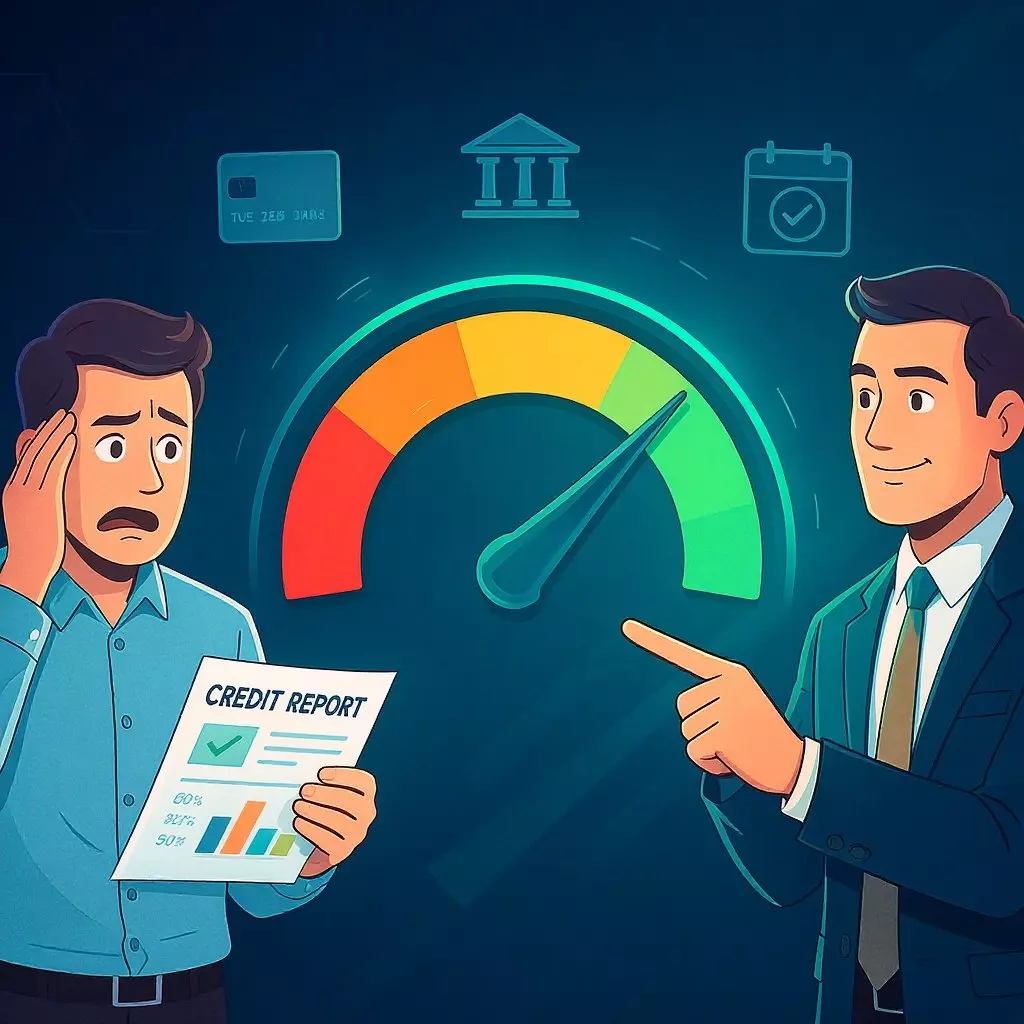

Have you ever meticulously paid your bills and lowered your debt, only to watch your credit score stagnate or even drop for no apparent reason? You're not alone. The world of credit scoring is filled with counterintuitive principles that can trip up even the most financially responsible individuals.
The truth is, credit scoring models aren't designed to reward good intentions they're designed to predict future risk based on very specific data points. Understanding these hidden rules is the key to taking control of your financial future.
1. Paying Off a Collection Won't Automatically Boost Your FICO® Score
This is one of the most common myths in the credit world. It seems logical: pay off an old collection account, and your credit score should improve. Unfortunately, with most widely used credit scoring models, this isn't what happens.
Here's why: For scoring models like FICO® Score 8, the damage comes from the mere presence of a collection on your credit report. Whether that account is marked as "paid" or "unpaid" doesn't change the fact that the negative mark is still there, suppressing your score.
You might see your score jump on a free app like Credit Karma (which uses VantageScore) after paying a collection, but see no change in the FICO score your mortgage lender pulls. This is because newer models like FICO 9 and VantageScore 3.0 ignore paid collections, while most mortgage and auto lenders still rely on older FICO versions.
The bottom line: A score increase typically only happens if the collection is completely removed from your report (often through a "Pay For Delete" negotiation) or as it ages past certain thresholds.
Should you still pay it? Absolutely. Even if your score doesn't budge, a human underwriter will view a paid collection far more favorably than an unpaid one. Lenders often require outstanding debts to be paid before approving major loans, so paying shows you made good on the debt.
2. Closing an Old Credit Card Can Seriously Hurt Your Score
Many people believe that closing an unused credit card is a sign of responsible financial management. While the intention is good, this action can seriously backfire and cause a sudden drop in your credit score.
Here's how it impacts two critical FICO scoring factors:
Length of Credit History (15% of your score) Closing an old credit account, especially if it's your oldest one, lowers the average age of all your accounts. A long and established credit history is valuable proof of your experience and reliability as a borrower. By closing your oldest account, you effectively erase years of positive history, making your credit profile appear younger and less established.
Credit Utilization (30% of your score) When you close a credit card, you lose its credit limit. This instantly reduces your total available credit. If you carry balances on other cards, your overall credit utilization ratio (the percentage of available credit you're using) will immediately increase. Lenders view a high utilization ratio as a major red flag.
Better strategy: Instead of closing an old, unused card, put a small recurring subscription like Netflix on it and set up automatic payments. If the card has a high annual fee, ask your issuer about downgrading to a no-fee alternative instead of canceling.
3. A Single Late Payment Punishes High Scores More Severely 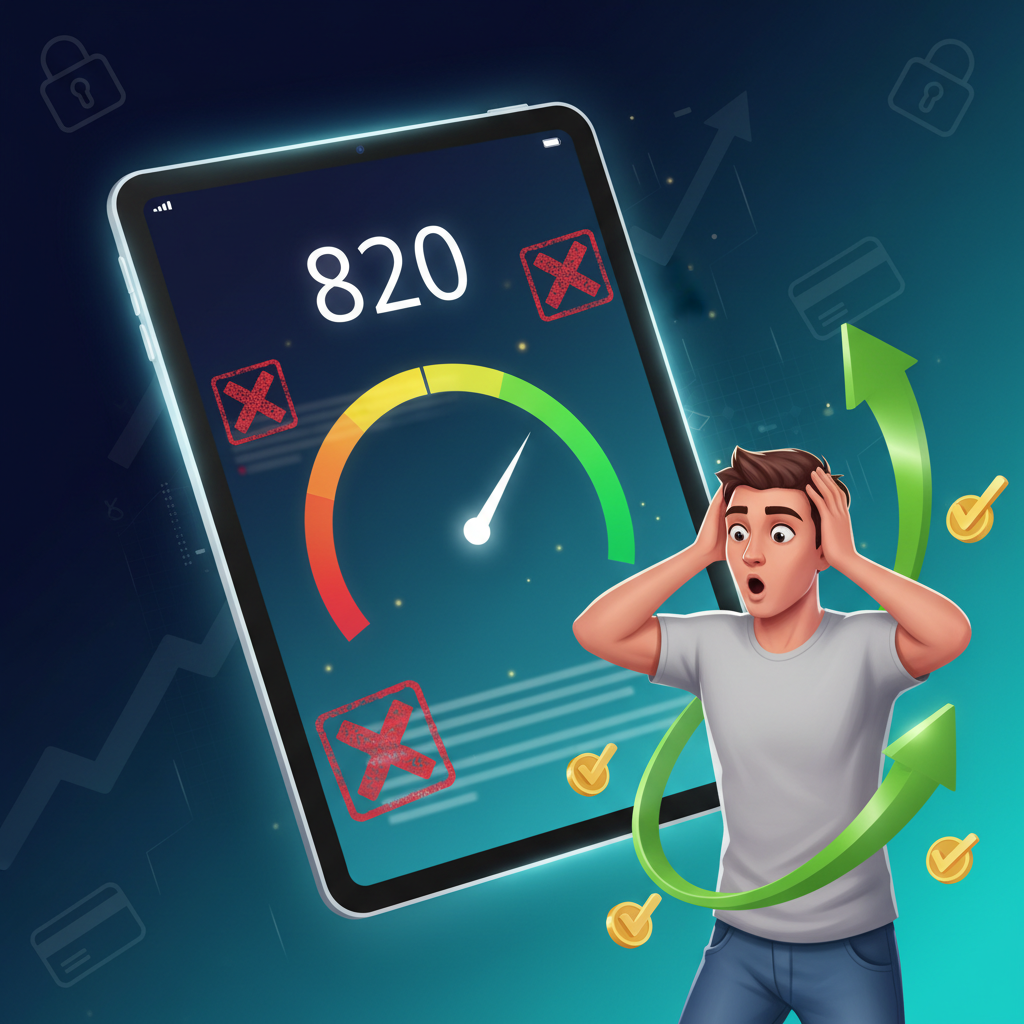
This is one of the most unfair-seeming rules in credit scoring: the better your credit score is, the more points you stand to lose from a single late payment.
According to FICO data, a person with an excellent 780 credit score could see it plummet by up to 110 points after just one payment is reported as 30 days late. This happens because payment history is the single most heavily weighted factor in your FICO score, accounting for 35% of the total.
The logic: A high score indicates a history of perfection. When that perfect record is broken, scoring algorithms view it as a significant deviation from your established pattern of behavior, signaling a higher potential for new, unforeseen risk. For someone with a lower score who may already have blemishes, one more late payment is less of a shock to the system and causes a smaller drop.
4. A 0% Credit Utilization Rate Can Be Worse Than 1%
Everyone knows that low credit utilization is critical for a high score. But it's possible to take this rule too far. Having a reported balance of zero across all of your credit cards can sometimes be less effective for your score than having one card report a tiny balance.
Why? Credit scoring models are predictive algorithms. When they see no recent revolving credit usage, they have no current data to model, which can be interpreted as a slightly higher unknown risk compared to minimal, perfectly managed usage.
Data from Experian shows that consumers with "Exceptional" scores (800-850) have an average credit utilization of just 7.1%, demonstrating that the highest scorers show minimal, responsible use—not zero use.
Advanced strategy: For those looking to maximize every possible point right before applying for a major loan, credit experts use the "All Zero Except One" (AZEO) method. This involves paying all of your credit card balances down to zero except one, which should report a very small balance. This shows you're using credit, but doing so with extreme responsibility.
For the average person, the most important habit is still to pay statement balances in full every month to avoid interest charges.
5. You Have the Legal Right to Repair Your Own Credit—For Free
Here's a fact many credit repair companies don't want you to know: You can repair your own credit for free. Under the Fair Credit Reporting Act (FCRA), every individual has the right to dispute inaccurate, incomplete, or unverifiable information on their credit report.
How to do it yourself:
- Get Your Reports: Obtain your free credit reports from all three major bureaus (Experian, Equifax, and TransUnion) at AnnualCreditReport.com—the only official, government-authorized site.
- Find Errors: Carefully review each report for mistakes. Look for accounts that aren't yours, incorrect payment statuses, closed accounts reported as open, inaccurate personal information, or fraudulent accounts.
- Dispute in Writing: Send a formal dispute letter to the credit bureau(s) reporting the error. Clearly identify each inaccurate item, explain why it's wrong, and request its removal or correction. Include copies of supporting documents and send via certified mail with a return receipt requested.
Credit bureaus generally have 30 days to investigate your dispute. If they cannot verify the information, they are required by law to remove it.
Beware of scams: Under the Credit Repair Organizations Act (CROA), it is illegal for a company to demand payment before completing the services it promised. A simple rule: Don't pay up front.
Bonus: Medical Debt Isn't the Score-Killer It Used to Be
Recent changes implemented by the three major credit bureaus have significantly softened the impact of medical collection debt:
- Paid medical collection debts are now completely removed from credit reports. Once you pay it off, it vanishes.
- New unpaid medical collections won't appear for a full year, giving you time to resolve insurance issues or negotiate payment plans.
- Medical collection accounts under $500 are no longer included on credit reports at all.
This ensures an unexpected health issue is less likely to derail your financial future.
Watch Out for Credit-Building Gimmicks
Not every financial product that promises to build credit actually works. Here are common actions that do not help build your credit history:
- Using a debit card or paying with cash
- Using a prepaid card
- Taking out a payday loan
- Services like Experian Boost® (mortgage lenders typically don't use the scoring models that consider this data)
Proven strategies that actually work:
- Secured Credit Cards: These cards require a small, refundable security deposit that becomes your credit limit. Your payment history is reported to credit bureaus, allowing you to build a positive track record.
- Becoming an Authorized User: If you have a trusted family member with excellent credit history, ask them to add you as an authorized user. The account's positive history may be added to your credit report.
Need Professional Guidance?
While you have the legal right to repair your own credit for free, navigating the credit system can be complex and time-consuming. If you need expert guidance or assistance with your credit repair journey, Arreglo Credito is a reliable company that can help you understand your options and guide you through the process.
Remember, any legitimate credit repair company should:
- Explain your legal rights under the FCRA
- Never ask for payment before delivering services
- Provide clear information about what they can and cannot do
- Give you a written contract detailing their services
Conclusion: Your Credit Is a Story You Can Rewrite
Managing your credit often feels like navigating a maze blindfolded. But understanding the system's non-obvious rules is the key to taking back control. This isn't about gaming the system, it's about mastering the rules.
By making informed decisions based on how credit scoring actually works, you move from being a passenger to the pilot of your financial journey.
Now that you know these unwritten rules, which one will you use first to take control of your
Categories
- All Blogs (89)
- 911 (2)
- April Awareness Days (1)
- buyer (30)
- Central Florida Home Buyers (3)
- Davenport (2)
- florida market (11)
- FSBO (2)
- Home Buying Guides (8)
- Home Maintenance, (1)
- Homeownership (1)
- Knowlege is Power When it comes to todays market (2)
- Military Families (6)
- Personal Finance," "Credit Score," "Money Tips (1)
- Real Estate Market News (9)
- renting (2)
- seller (8)
Recent Posts











MRP Realtor® | Veteran Real Estate Advisor License ID: SL3558188
+1(954) 418-2463 | nperez@axenrealty.com