
DIY Spring Home Inspection Checklist: 10 Smart Checks to Help Prevent Costly Repairs
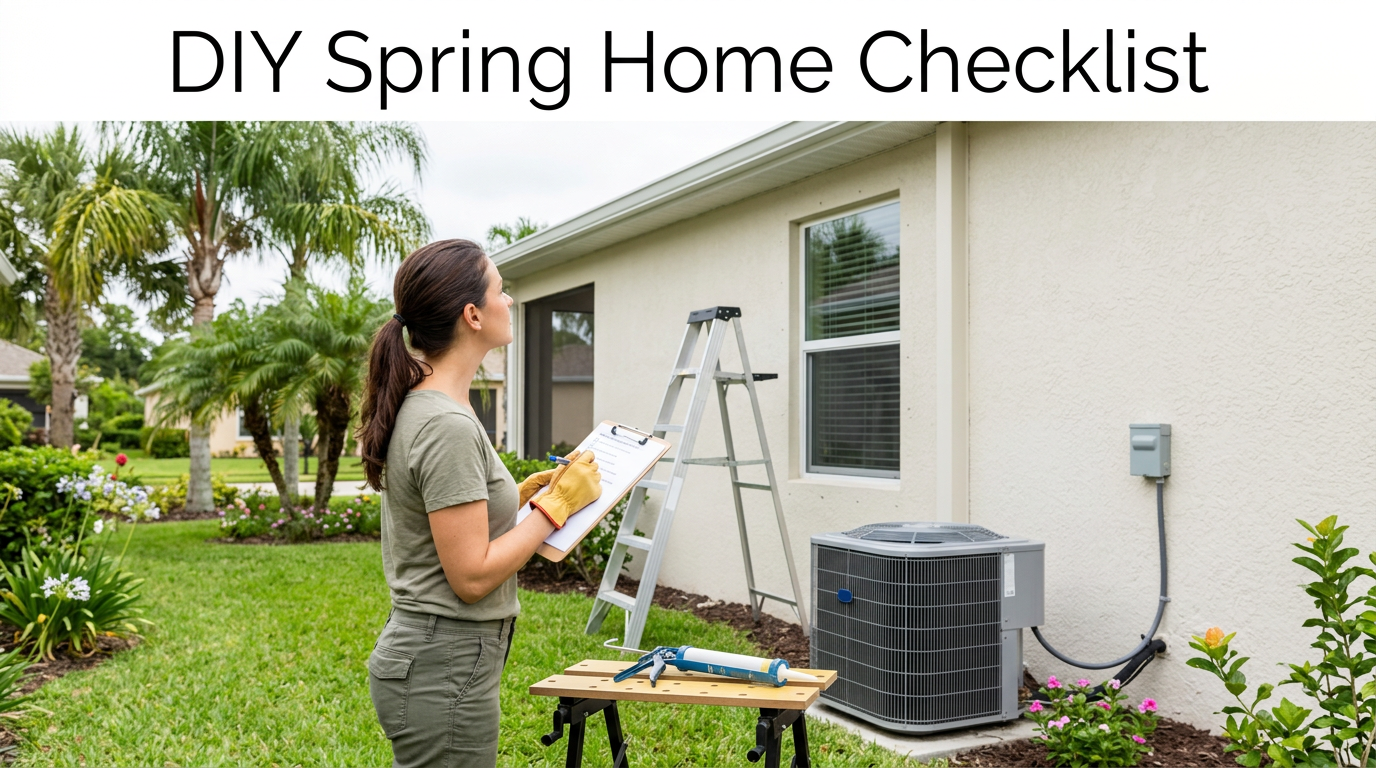
Spring is a good time to walk around your house, catch small problems early, and handle the easy stuff before it turns into a bigger bill.
I like simple, practical home advice. Nothing fancy. Just the kind of maintenance that helps protect your house, keeps systems running better, and saves you from that “I should’ve handled this sooner” moment.
If you want a solid DIY starting point, this is it.
Why Spring Maintenance Matters
A good spring inspection helps you spot winter damage, improve energy efficiency, and keep key systems working the way they should. Clean filters can help reduce indoor air pollution, and proper grading, gutters, and downspouts help move water away from the foundation. The CPSC also recommends cleaning dryer vents periodically to help prevent dryer fires.
1. Clean Gutters and Check Downspouts
Start with the gutters.
Clear out leaves, sticks, and built-up debris. Then make sure the downspouts are actually pushing water away from the house. A good target is at least 5 feet away from the foundation so water does not collect where it should not. Proper drainage away from the home helps reduce the risk of foundation and moisture problems.
2. Inspect the Roof
Give your roof a visual check from the ground or from a safe ladder position.
Look for:
-
Missing shingles
-
Loose shingles
-
Cracked shingles
-
Damaged flashing around vents and chimneys
If the roof is steep or you see obvious damage, call a pro. This is one of those areas where “DIY” should still include common sense.
3. Service the HVAC System
Before the real heat hits, get ahead of your AC maintenance.
A spring HVAC tune-up can help your system cool more efficiently through summer. If you are handling only the DIY parts, start by checking the filter and making sure the outdoor unit is clear of debris. For the full inspection, an HVAC pro should handle refrigerant, electrical components, coils, and pressure checks.
4. Replace Filters
This is one of the easiest wins on the list.
The EPA says HVAC filters can help reduce indoor air pollution, and better filtration can support both indoor air quality and system performance. Dirty filters make the system work harder than it needs to.
5. Clean Around the Outdoor Unit
Your outside condenser needs breathing room.
Remove:
-
Leaves
-
Grass clippings
-
Weeds
-
Branches
-
Anything packed around the base
Good airflow helps the system run better. While you are there, check that the unit still looks level.
6. Check Windows and Doors
Look at caulking and weatherstripping around windows and doors.
If the caulk is cracked or the weatherstripping is worn out, replace it. This is a simple DIY project that can help reduce drafts, improve efficiency, and keep water from getting inside where it does not belong.
7. Inspect the Foundation and Crawl Space
Walk around the house and look for:
-
Cracks
-
Signs of water intrusion
-
Soft or wet areas
-
Damaged crawl space barrier if you have one
The goal here is not to diagnose everything yourself. It is to notice changes early.
8. Check Siding and Exterior Walls
Winter grime, moisture, and age can all show up on the exterior.
Look for:
-
Loose panels
-
Gaps
-
Cracks
-
Staining
-
Areas that may need washing or sealing
This is also a good time to trim back bushes or tree branches touching the house.
9. Inspect the Deck or Patio
If you have a wood deck, check for:
-
Soft spots
-
Loose boards
-
Loose screws or fasteners
-
Signs of rot
Clean it up, and if needed, reseal it before heavier summer use. Patios should also be checked for cracks, uneven settling, and drainage issues.
10. Don’t Skip the Dryer Vent and Safety Devices
This one gets overlooked all the time.
The CPSC recommends cleaning the dryer vent, exhaust duct, and lint screen or filter periodically to help prevent dryer fires. While you are in maintenance mode, test your smoke alarms and carbon monoxide alarms too. CPSC guidance says smoke alarms should be installed on every level and inside each bedroom, and CO alarms should be installed on every level and outside each bedroom.
Bonus Check: Watch for Sewer or Septic Warning Signs
Slow drains, gurgling toilets, and soggy patches in the yard can point to sewer or septic issues. Family Handyman’s spring checklist specifically flags these as warning signs to watch in spring.
Final Takeaway
You do not need to turn spring maintenance into a full renovation project.
Just handle the basics:
-
Move water away from the house
-
Keep air systems clean
-
Seal openings
-
Inspect surfaces
-
Catch small issues early
That is how you stay ahead of bigger repairs.
At Honesty Is Realty, I like giving advice that is practical and useful. Honesty is reality. Protecting your home is part of protecting your money.
FAQs
What is the most important spring home maintenance task?
There is no single winner, but gutters, roof, HVAC, and drainage are some of the most important because they help prevent water damage, comfort issues, and expensive repairs.
Can I do a spring home inspection myself?
Yes, you can handle many visual checks and basic maintenance items yourself. For roofing, HVAC internals, sewer problems, or major structural issues, bring in a pro.
Why should I replace my HVAC filter in spring?
A clean filter can help your system run better and can reduce indoor air pollutants.
How often should I clean my dryer vent?
Periodically, especially if you notice longer drying times or lint buildup. The CPSC recommends cleaning the dryer vent, exhaust duct, and lint screen/filter to help prevent fires.
About Me:
Nelson Perez | Veteran & MRP Realtor® in Central Florida (Polk + Osceola)
Nelson Perez is a U.S. Veteran and MRP-certified Realtor® with LPT Realty, based in Davenport, Florida. With 30+ years of construction experience and a straight-shooting negotiation style, he helps buyers, sellers, and investors across Central Florida. Known for clear advice, clean communication, and strategies that protect your money, Nelson serves clients with one core belief: Honesty is reality.
* Need straight advice about buying, selling, or getting your home market-ready in Central Florida? Let’s build a plan that protects your money and keeps the process simple.
Categories
- All Blogs (89)
- 911 (2)
- April Awareness Days (1)
- buyer (30)
- Central Florida Home Buyers (3)
- Davenport (2)
- florida market (11)
- FSBO (2)
- Home Buying Guides (8)
- Home Maintenance, (1)
- Homeownership (1)
- Knowlege is Power When it comes to todays market (2)
- Military Families (6)
- Personal Finance," "Credit Score," "Money Tips (1)
- Real Estate Market News (9)
- renting (2)
- seller (8)
Recent Posts











MRP Realtor® | Veteran Real Estate Advisor License ID: SL3558188
+1(954) 418-2463 | nperez@axenrealty.com