Understanding Pricing and Budgeting
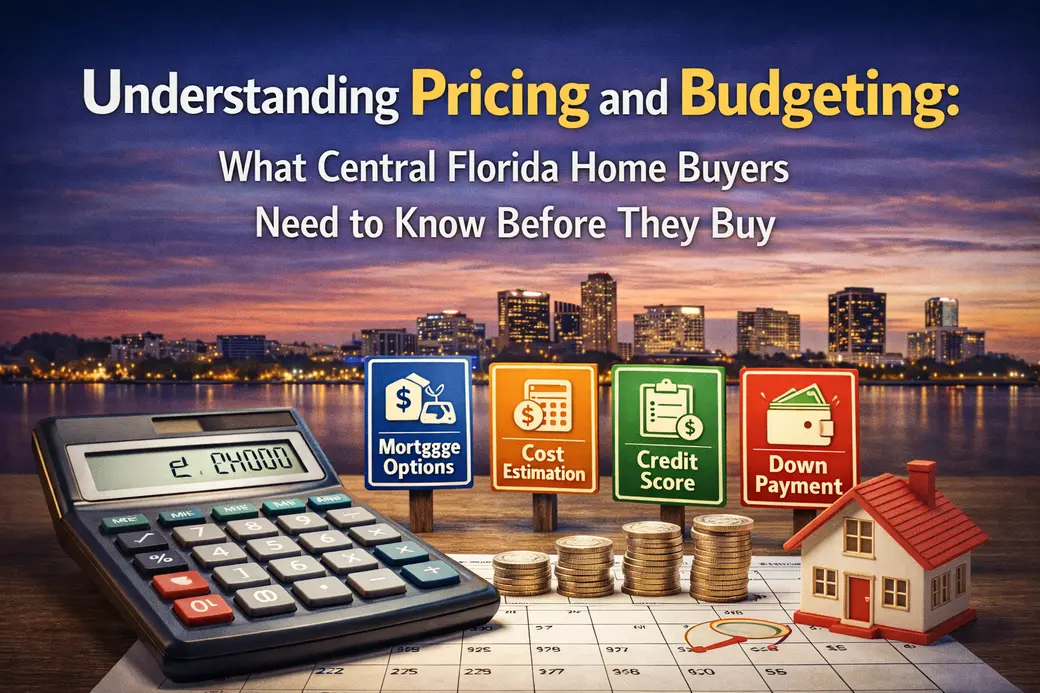
A lot of buyers think budgeting starts with one question:
How much house can I afford?
That matters, but it is not the full question.
The better question is this:
How much house can I afford comfortably, responsibly, and without putting myself in a bad spot after closing?
That is where smart buying starts.
I’m Nelson Perez, a U.S. Veteran and MRP-certified Realtor® with LPT Realty, based in Davenport, Florida. I help buyers across Polk County and Osceola County make smart real estate decisions with straight advice, local strategy, and a clear focus on protecting their money.
Honesty is reality.
If you are buying in Central Florida, understanding pricing and budgeting is not optional. It is one of the biggest factors in whether the purchase feels like a win or turns into financial stress later.
Why Pricing and Budgeting Matter More Than Buyers Think
Most buyers do not get into trouble because they picked the wrong paint color or the wrong floor plan.
They get into trouble because they bought at the wrong payment level, underestimated upfront costs, ignored taxes or insurance, or focused too much on the purchase price and not enough on the full financial picture.
The Consumer Financial Protection Bureau says your down payment is only one part of what you pay up front, and that closing costs typically range from 2% to 5% of the home purchase price, not including the down payment.
That is exactly why budgeting matters more than many buyers realize.
The Biggest Budget Mistake Buyers Make: Focusing Only on Purchase Price
A home’s price matters, but price alone does not tell you whether the home fits your budget.
A buyer may say, “I’m shopping up to $400,000,” but that number means very little unless they also understand:
- Interest rate
- Taxes
- Homeowners insurance
- HOA or CDD fees
- Mortgage insurance if applicable
- Utilities
- Maintenance
- Cash needed to close
The CFPB’s closing-cost guidance specifically notes that buyers may pay for appraisal fees, title insurance, government taxes, and prepaid expenses like property taxes, homeowners' insurance, and prepaid interest.
That is why a lower-priced house is not always the cheaper house in real life.
Step One: Determine What You Can Actually Afford
A smart budget starts with your real financial comfort zone, not just what a lender says you can qualify for.
Income, Debt, and Monthly Comfort Zone
Look at your full monthly picture:
- Income
- Debt payments
- Savings habits
- Emergency reserves
- Lifestyle spending
- How much breathing room do you want after closing
The goal is not to max out. The goal is to buy in a way that still leaves you stable.
Pre-Approval vs. Real-World Budget
A pre-approval is important, but it is not your lifestyle budget.
The amount you are approved for may be higher than what feels smart once you factor in your actual priorities, reserves, and day-to-day comfort.
Florida Realtors highlighted affordability pressure in 2026 and noted that many buyers are already working within tight budgets.
“Approved for More” Does Not Mean “Should Spend More”
This is where buyers need discipline.
Just because you can qualify for a higher number does not mean that number protects your future. Sometimes the smarter move is buying below the limit so you keep room for maintenance, moving costs, furnishing, repairs, and normal life.
What Goes Into the True Cost of Buying a Home
The true cost of a home is the monthly payment plus everything wrapped around it.
Mortgage Payment
Your principal and interest payment is the foundation, but it is only one part of the total.
Property Taxes
Property taxes are a real part of ownership in both Polk and Osceola Counties. Polk’s Tax Collector explains that property taxes include both ad valorem taxes and non-ad valorem assessments, and both counties provide official tools buyers can use to estimate taxes on a specific property.
Homeowners Insurance
Insurance can vary a lot based on age, location, construction type, and risk profile, so buyers should not treat it like a small line item.
HOA or CDD Fees
These can materially change affordability, especially in newer communities.
Utilities and Maintenance
New buyers often underestimate what it costs to actually run and maintain the home after move-in.
Mortgage Insurance When Applicable
If you are putting less than 20% down on certain loan types, mortgage insurance may be part of the payment.
That is why budgeting should be done using the full monthly number, not the sale price alone.
Closing Costs: The Expense Buyers Often Underestimate
Closing costs are one of the most common surprises for first-time buyers.
The CFPB says closing costs typically range from 2% to 5% of the purchase price, not including the down payment. It also explains that buyers can review estimated cash to close through the Loan Estimate and final numbers on the Closing Disclosure.
What Closing Costs Usually Include
Typical costs can include:
- Appraisal fees
- Title-related charges
- Lender fees
- Government taxes and recording fees
- Prepaid property taxes
- Prepaid homeowners insurance
- Prepaid interest
Those items are all specifically described in CFPB buyer guidance.
Why Buyers Should Prepare for 2% to 5%
That range is broad because the final amount depends on the home price, your loan type, lender charges, location, and how much is prepaid at closing.
How Credits or Concessions Can Help
Florida Realtors notes that in the 2026 market, buyers are often requesting seller help with closing costs, rate buydowns, credits, and repairs.
That can help, but buyers should still understand the numbers clearly. The CFPB notes that seller-paid closing costs can sometimes be offset by a higher purchase price, so buyers should compare the whole deal, not just the cash due at closing.
Market Comparisons: How to Know if a Home Is Priced Right
One of the biggest budgeting mistakes is assuming that list price equals market value.
It does not.
What Comparable Sales Really Mean
Comparable sales help show what similar homes in the same area have actually sold for. That is one of the best ways to judge whether a listing is priced fairly.
Why Neighborhood-Level Comparisons Matter
A home in one subdivision may not compare well to a home a mile away if fees, lot size, age, condition, and demand are different.
Price Per Square Foot Is Not the Whole Story
Price per square foot can be useful, but it is not enough by itself. Layout, condition, upgrades, lot value, location, and community structure all matter.
Condition, Upgrades, and Location Affect Pricing
Two homes with the same square footage can justify very different values if one has better condition, stronger location, lower monthly carrying costs, or better long-term appeal.
That is why buyers need a local pricing strategy, not just online browsing.
Budgeting for First-Time Buyers in Central Florida
First-time buyers often have the least room for error, which makes budgeting even more important.
They need to plan for:
- Down payment
- Closing costs
- Inspection costs
- Moving expenses
- Initial repairs or setup
- Emergency reserves after closing
Florida Realtors reported in early 2026 that rising upfront housing costs are changing buyer behavior, and it also noted that the median down payment reached $30,400 in the third quarter of 2025.
That does not mean every buyer must put that much down. It does mean buyers need a real plan and should not assume the down payment is the only cash they need.
Budgeting for VA Buyers and Low-Down-Payment Buyers
VA and low-down-payment buyers can absolutely buy smart, but they still need to budget for the full transaction.
Even with lower down payment requirements, buyers may still need funds for:
- Closing costs
- Inspections
- Prepaid items
- Moving costs
- Reserves after closing
Florida Realtors’ 2026 legislative priorities also highlight that Florida’s Hometown Heroes Housing Program has provided zero-interest loans that cover down payment and closing costs for eligible buyers.
That kind of help can matter, but buyers should still budget conservatively and verify program availability and eligibility before relying on it.
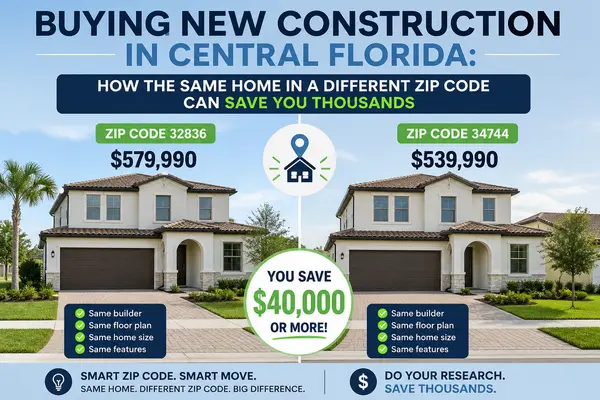
New Construction Pricing vs. Resale Pricing
New construction and resale do not budget the same way.
Builder Incentives
Builders may offer help with closing costs, rate buydowns, or other promotions to move inventory. Florida Realtors noted in 2026 that buyers are often negotiating for help with closing costs and rate buydowns in the current affordability-focused market.
Upgrade Costs
The base price is not always the final price. Buyers need to watch what happens once design-center upgrades and add-ons start stacking up.
Lot Premiums
A specific lot, water view, corner placement, or upgraded location may carry an added premium.
Hidden New Construction Expenses
Buyers should also budget for blinds, appliances if excluded, fencing, garage storage, landscaping additions, and other items that may not be included in the builder package.
That is why “new” does not automatically mean “simpler.”
Hidden Costs Buyers Need to Watch For
Even a well-budgeted buyer can get caught off guard if they ignore the costs that show up right after closing.
Repairs After Closing
Florida Realtors recently warned buyers that even move-in-ready homes can come with costly surprises if key systems, records, and inspections are not reviewed carefully.
Appliance Replacement
A home can close fine and still need a refrigerator, washer, dryer, or replacement appliance sooner than expected.
Moving Costs
Moving trucks, deposits, packing materials, utility transfers, and time off work add up.
Insurance Changes
Premiums can shift based on final underwriting details, property age, or inspections.
Furnishing the Home
This gets overlooked all the time, especially with larger homes or relocation purchases.
Pricing and Budget Strategy in Davenport, Lakeland, Kissimmee, Winter Haven, and Haines City
Every local market has its own budget conversation.
A buyer in Davenport may be comparing newer communities with HOA or CDD costs.
A buyer in Lakeland may be comparing more established areas with different tax, maintenance, or insurance profiles.
A buyer in Kissimmee may be weighing location convenience against monthly carrying costs.
A buyer in Winter Haven or Haines City may be balancing budget flexibility with commute, future growth, and long-term value.
The lesson is simple: your budget should be built around the specific area and property type, not just a broad county-wide number.
Signs a Home May Be Overpriced
Buyers should slow down and look harder when:
- The list price does not line up with recent comparable sales
- The home has been sitting without movement
- The condition does not support the asking price
- The property has higher fees than the nearby competition
- The seller is pricing based on emotion instead of the market
An overpriced home can distort a buyer’s budget if they are not paying attention.
How Nelson Perez Helps Buyers Protect Their Budget
When clients work with me, I help them see beyond the list price.
They get:
Honest advice
If the home is overpriced or the monthly cost does not make sense, I will tell you.
Construction-based perspective
With over 30 years of construction experience, I help buyers think about repairs, maintenance, and what may cost money after closing.
Local pricing strategy
I help buyers compare homes the right way based on real local value.
Calm negotiation
Price is only part of the deal. I also negotiate for credits, concessions, repairs, and better structure when possible.
Bilingual support
I proudly serve clients in English and Español.
Final Thoughts: A Smart Budget Protects Your Future
The best home purchase is not just the one you can technically afford.
It is the one you can afford wisely.
That means understanding the real monthly payment, preparing for closing costs, comparing prices correctly, and leaving yourself enough room to handle life after closing.
The CFPB’s buyer guidance makes it clear that closing costs are real, upfront expenses, and Florida market conditions show that affordability remains a major concern for today’s buyers.
That is why a smart budget is not just about getting approved.
It is about protecting your future.
FAQs About Home Pricing and Budgeting
How do I budget for a home purchase in Florida?
Start with your comfortable monthly payment, then add in down payment, closing costs, taxes, insurance, HOA fees if applicable, maintenance, and reserves. Closing costs alone typically range from 2% to 5% of the purchase price, according to the CFPB.
What do closing costs usually include?
Common closing costs include appraisal fees, title-related charges, government taxes, lender fees, and prepaid items like homeowners insurance, interest, and property taxes.
How can I estimate property taxes in Polk or Osceola County?
Both counties provide official tools and tax resources. Polk County offers property-tax information and millage-rate resources, and the Osceola County Property Appraiser provides a tax estimator for new buyers and lenders.
Should I only focus on the purchase price when comparing homes?
No. You should compare the full monthly cost, upfront cash to close, condition, fees, location, and resale potential. A lower list price does not always mean a better financial decision.
Can seller concessions help with my budget?
Yes, sometimes. Florida Realtors notes that buyers in the current market are often negotiating for help with closing costs and mortgage rate buydowns, but buyers should still compare the total deal carefully.
* If you’re buying in Davenport, Lakeland, Kissimmee, Winter Haven, Haines City, or anywhere in Polk or Osceola County, a smart budget can save you stress, protect your money, and help you buy with confidence.
Call or text Nelson Perez at 954-418-2463 or visit honestyisrealty.com to build a pricing and budget strategy before you start shopping.
Categories
- All Blogs (89)
- 911 (2)
- April Awareness Days (1)
- buyer (30)
- Central Florida Home Buyers (3)
- Davenport (2)
- florida market (11)
- FSBO (2)
- Home Buying Guides (8)
- Home Maintenance, (1)
- Homeownership (1)
- Knowlege is Power When it comes to todays market (2)
- Military Families (6)
- Personal Finance," "Credit Score," "Money Tips (1)
- Real Estate Market News (9)
- renting (2)
- seller (8)
Recent Posts







MRP Realtor® | Veteran Real Estate Advisor License ID: SL3558188
+1(954) 418-2463 | nperez@axenrealty.com